On the question of preaching – and when, and where, and by whom
Last month the Vatican Dicastery for Divine Worship responded to a request from the German Bishops who had sought permission to authorize lay preaching at Eucharist. Citing pastoral needs, the adequate formation of preachers for the task, and the declining priests available, the Bishops collectively requested the Vatican to grant an exception to the rule.
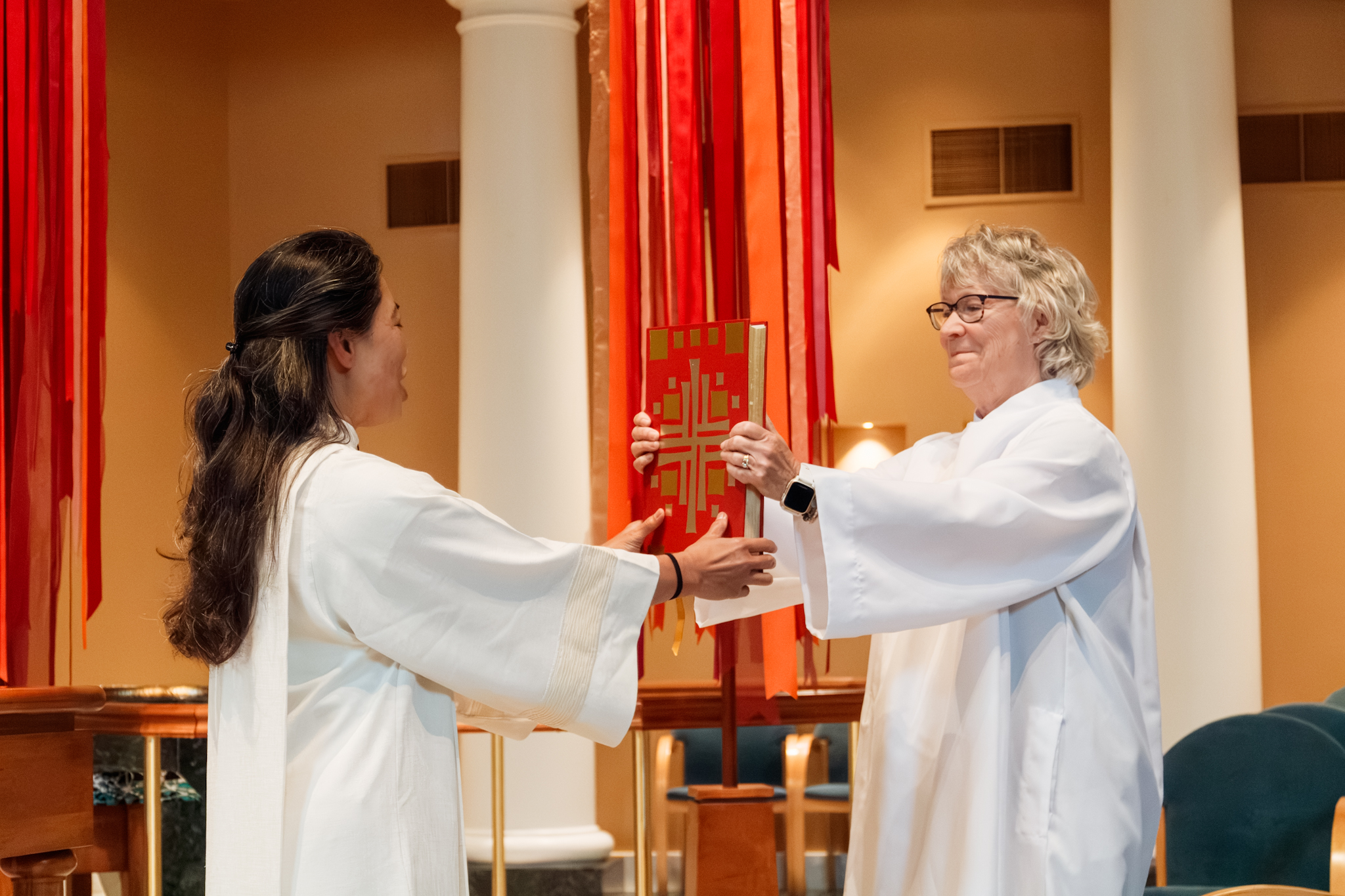
At the time the news broke, I had just led a session as part of our lay preaching formation program during which we prayerfully and pragmatically asked the question: what is at stake in the question of Catholic women preaching? That is, why does it matter for Jesus’ mission, for the world – that Catholic women preach?
It was a genuine question. Does it matter?
The question can feel tired, well worn. Thousands of years old, perhaps. And then a news report on a Vatican ruling, which in effect re-affirmed the existing canon law, and denied an exception to it.
A tired question, but one that perdures.
A synodal Church must become more attentive to the pastoral realities, charisms, and gifts poured out through baptism. As questions arise through communal discernment, the Church is called to examine whether existing structures and laws adequately reflect the movement of the Holy Spirit and support the flourishing of all the baptized. This includes ongoing reflection on the ministry of preaching and the norms that govern its exercise.
The desire for lay preaching, including by women, is not confined to Germany. When the Vatican gathered input from nearly every bishops’ conference on earth in preparation for the Global Synod, the resulting Document for the Continental Stage reported that many submissions, from across the globe, asked the Church to continue discerning whether women with adequate training might preach in parish settings (Para. 64) The same global listening process found that the quality of homilies was reported as a problem almost everywhere. This is a pastoral need the whole People of God has already named—and a response to one conference’s specific request, however carefully reasoned, does not address it.
Discerning Deacons welcomes Cardinal Roche’s recognition that Canon Law permits a “wide range of possibilities already fruitfully present in the life of the Church” for lay preaching.
Across the Church, lay people regularly preach in services of Word and Communion, retreats, conferences, missions, educational settings, and other pastoral contexts. These ministries contribute meaningfully to the Church’s evangelizing mission and deserve continued support and development. Too often, the Church’s imagination regarding preaching is limited to the Eucharistic celebration alone.
The flourishing of lay preaching outside the Eucharist would be strengthened by greater encouragement, formation, recognition, and authorization of this ministry.
A constructive next step would be for the Office of Divine Worship and other ecclesial bodies to more actively promote, resource, and encourage lay preaching in the many contexts where it is already permitted but underutilized.
We also hope the Vatican will increasingly employ the kind of synodal discernment process outlined by Study Group 9 when handling emerging pastoral, ethical, and doctrinal questions such as this one. The report cautions treating such topics as controversies to be settled through up-or-down rulings. Instead, it calls for genuine listening—to lived experience, to those most affected, and to the wisdom of the whole People of God—before reaching for settled answers. Doing so could help the Church more fully receive the gifts of all the baptized and strengthen its capacity to proclaim the Gospel in today’s world.
To whom are we called to listen? The same people we are called to feed. The desire for lay preaching is not just expressed by those wishing to preach, but rather by those who hear the preaching.
May we be ever faithful to Christ’s command to Peter, and all his successors, to “Feed my sheep.”