Becoming a Church that listens and discerns together
Photo by Sincerely Media on Unsplash
The second phase of the global synod is underway and by October 18, 2022 we’ll have guidelines from the Vatican about the next leg of this journey – the continental phase! We can think of no better guide to help us glean learnings from the initial phase and to prepare ourselves for yet another year of listening, dialogue and discernment than Fr. Richard Lennan of Boston College’s School of Theology and Ministry.
Richard is an ecclesiologist (a theologian who studies the Church) who participated in the synod process in his native Australia. Their process actually began four years ago with the launch of the country’s 5th Plenary Council (the last was in 1935!) around a now familiar theme across the global Church: how do we listen to what the Holy Spirit is saying to the Church?
Since Australian Catholics are a bit further along the synodal path than we in the U.S., they have much to teach us about how to become a church that listens and discerns together. Richard offers a brief overview over Australia’s synodal journey in the video featured above.
In July of 2022, Australia’s Plenary Council Assembly, which incorporates lay and religious men and women as “consultative” voters along with Bishops as both consultative and “deliberative voters” yielded some exciting developments around two movements of the Spirit close to our own discerning hearts: the ordination of women to the diaconate (which received majority support in the consultative vote) and the transformational power of communal discernment when the final deliberative vote by Bishops did not reflect the discernment of consultative majority). This short news report offers an overview; Richard can fill us in on the details.
The webinar that took place on on Tuesday, October 11, 2022 featured a conversation between Richard and me about how synodality is really a process of conversion and how we might approach the next phase of the synod as a practice of communal discernment, particularly in our polarized American U.S. Church.
We talked about how to walk together with people who think differently, especially about laments that could potentially further divide us and common hopes that could potentially serve to build bridges between us. You may view a recording of the event here.
“This work is essential for challenging the status quo, deeply exploring the Church’s history of the female diaconate, and courageously asking important questions. I also believe that the inclusion of women’s voices and experiences will increase emotional, mental, and physical safety for other women in church spaces.”
“I know that women are being called by the Holy Spirit and women are living diakonia in creative, ordinary ways today. Now, as a mother of a toddler girl, I want to discern with the Church on how to make way for her to discern her own future calling, should the Spirit call her.”
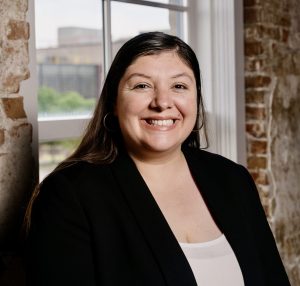
Ana López
Spiritual Director and Theology Teacher, Los Angeles, CA
This is the hub where we share relevant news, events and opportunities to participate in the work. *We will send the newsletter only once each week, and we will never share or sell your information.